
For Guests & Hosts
Explore regional menus
Browse chefs whose menus carry specific lineages, techniques, and gathering literacy into private homes.
Every menu tells a story. Cheffar gives independent culinary artists the infrastructure to keep ancient techniques, regional heritages, and family lineages celebrated, funded, and passed forward.
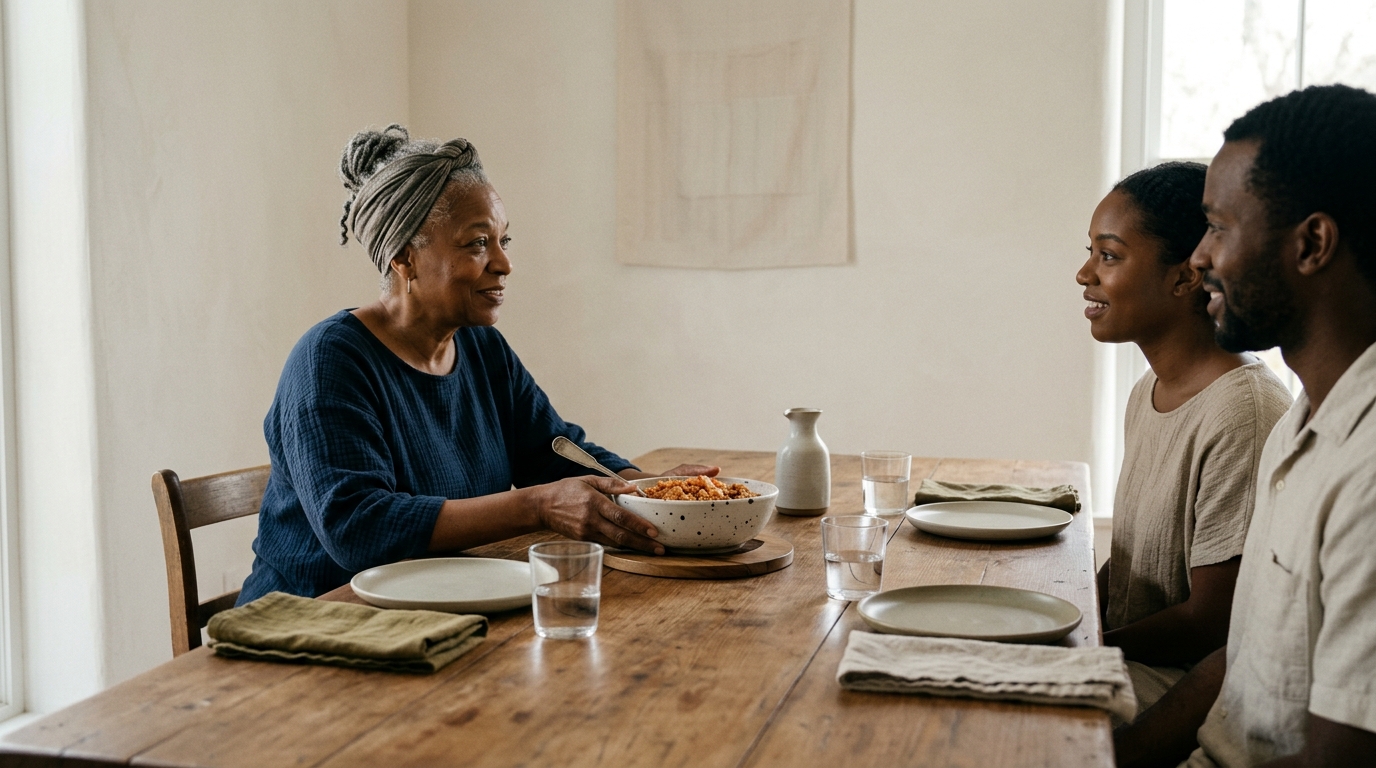
The kitchen is a living archive. When a host commissions a chef, traditional methods from ancestral fermentation to regional open fire stay economically viable and culturally alive.
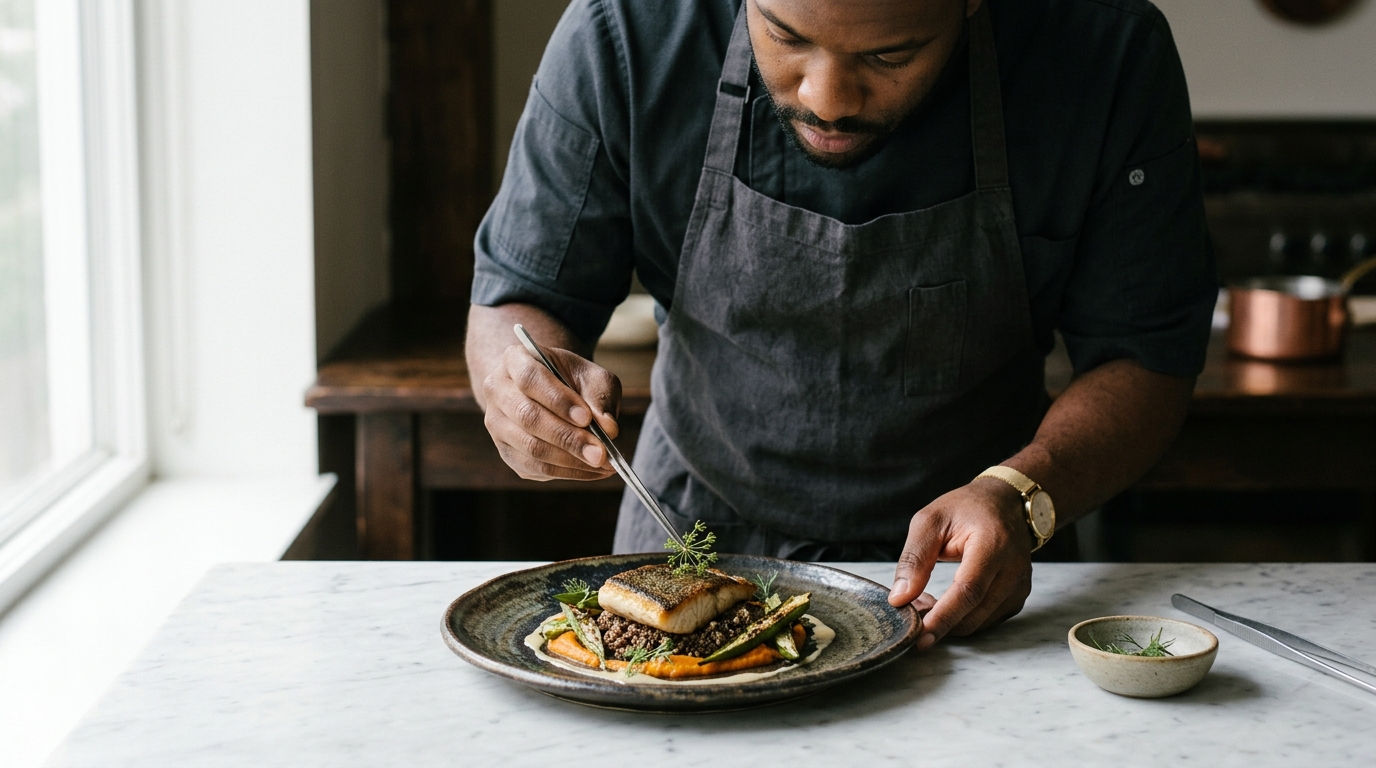
Executive Chef and Cordon Bleu seats are not labels. They are crafts that carry gastronomic lineage into a private home with the same seriousness as any dining room.
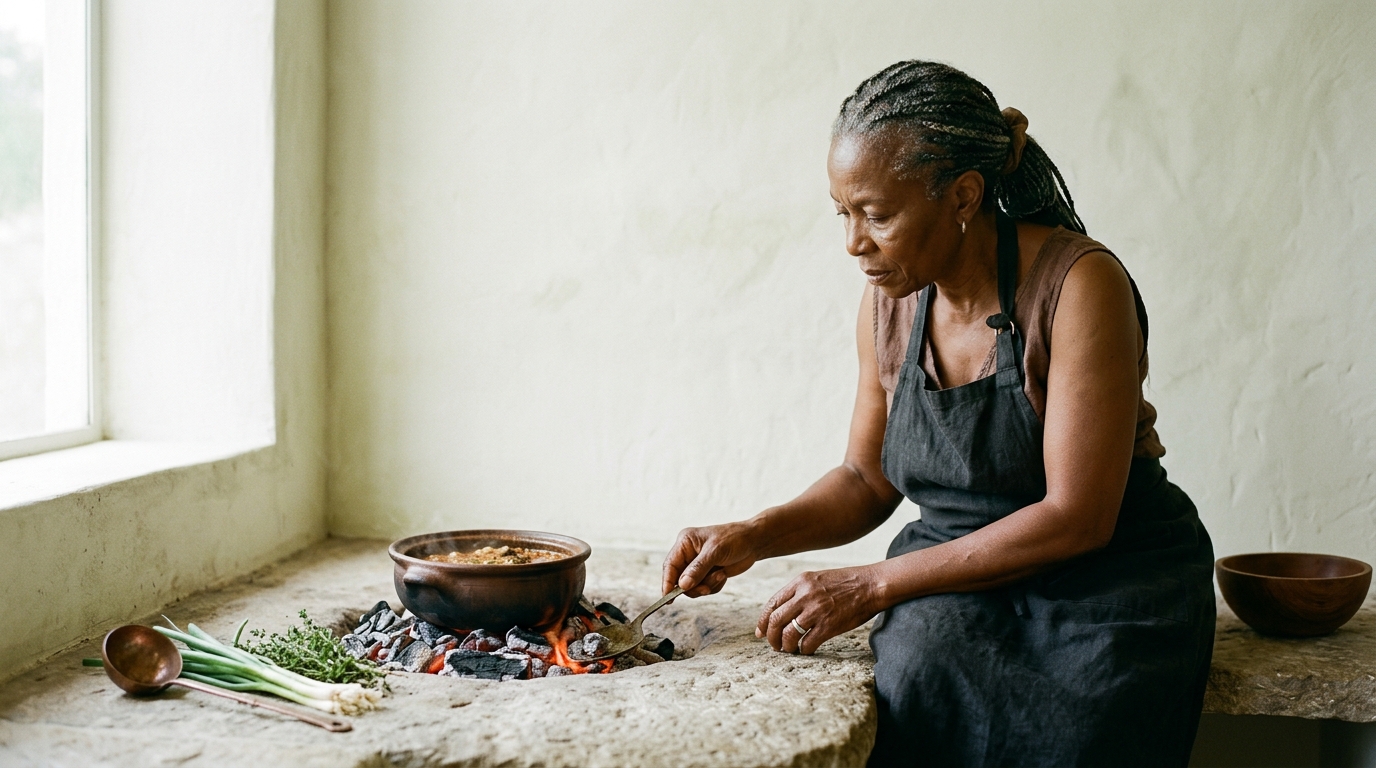
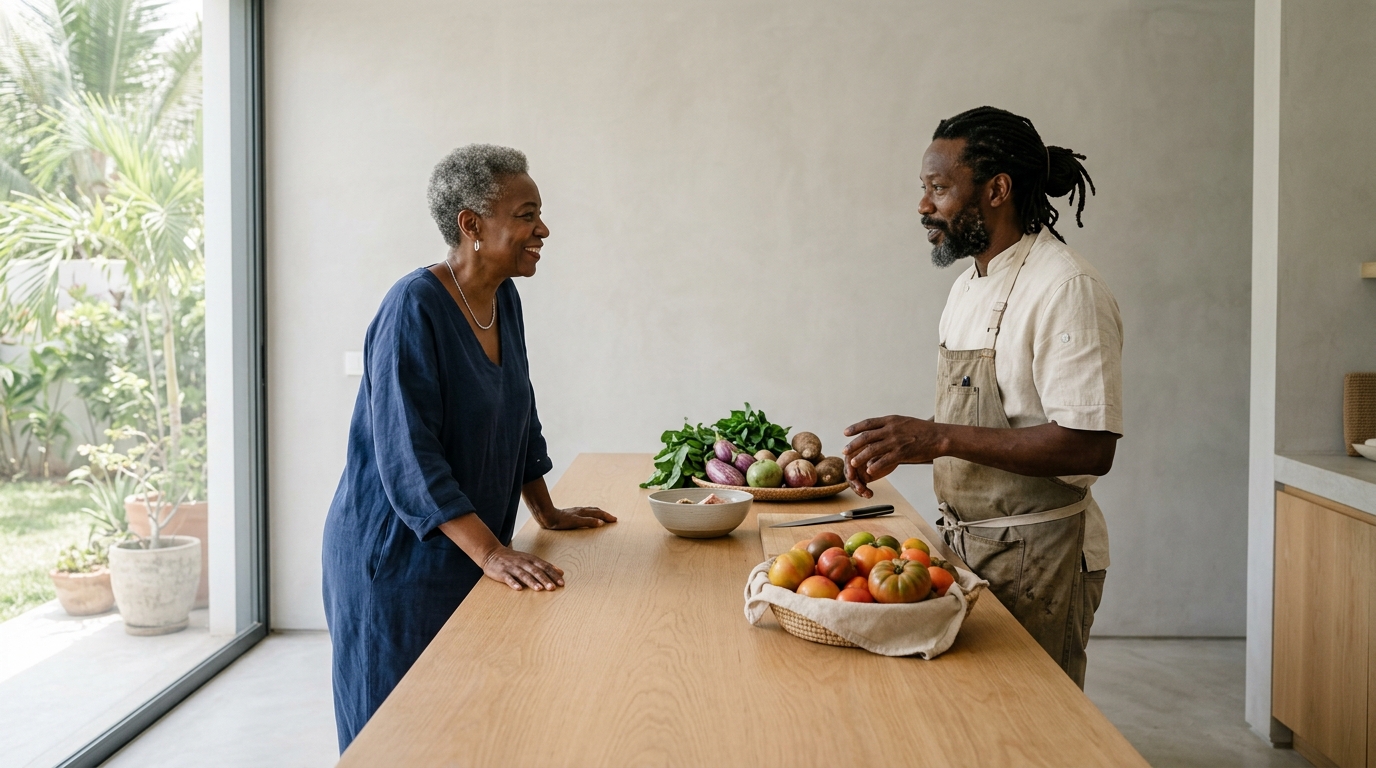
Cultural preservation here is not a policy deck. It is the physical relationship between host, chef, and local purveyor on the day of the occasion.
The chef shops for what the menu requires. The host keeps the table. What survives is the lineage on the plate, funded by a real reservation rather than a museum label.
African tables already know their service. A Njangi or tontine tray, a Dot, an Owambe energy reception, Sunday pots, a quiet plated dinner. A chef who knows those days is reading lineage, not decorating a menu.
We treat those gatherings as culinary heritage. We do not reduce a ceremony to entertainment, or a continent to a flag.

These are the lines we hold when we present a chef, approve a menu, and send craft into a family kitchen.
Technique with a history outranks trend for its own sake. We ask where a method comes from and who still carries it before we put it in front of a host.
Labor fee pays the chef. Market budget pays the market. Separating the two keeps gastronomic lineage solvent instead of squeezed into a single vague price.
The brief is the table in the room: who is coming, what the day means, what the house can hold. Ceremony and intimate service are different kitchens. We write to that.
Living traditions survive when they still feed people for pay. We build for chefs whose heritage stays in active service, not frozen behind glass.
This page is about cultural preservation at the table. Meeting talent and joining the network live on their own paths.
Browse chefs whose menus carry specific lineages, techniques, and gathering literacy into private homes.
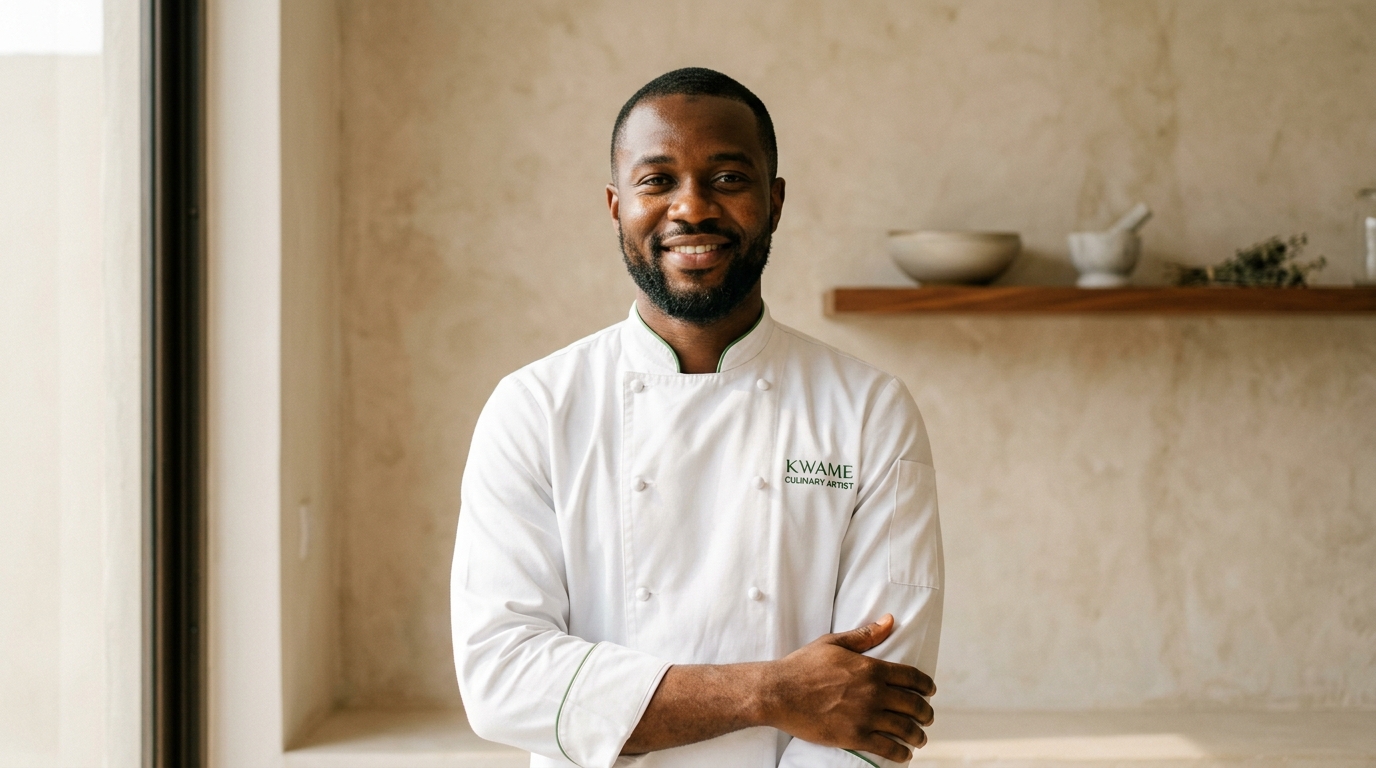
Executive Chef and Cordon Bleu chefs set their menus, name their labor fee, and bring living traditions into African homes. Apply if that is your craft.

Explore chefs whose craft carries culinary heritage into the home, or apply if that lineage is yours to serve.