
Regenerative hospitality
Hospitality designed to regenerate.
We view the kitchen as an extension of the ecosystem. Cheffar is built to eliminate the waste, deep cold storage, and long distance transport inherent in traditional restaurant supply chains.

Meal lifecycle
How a reservation short circuits the supply chain.
Select a step to see how host, chef, and local purveyor move from brief to table without a distant kitchen hub.
01
Host confirms the occasion
Guest count, timing, and the shape of the gathering set the brief. The chef plans quantities for the people who will sit down, not for a standing warehouse menu.
1 / 5
Sourcing
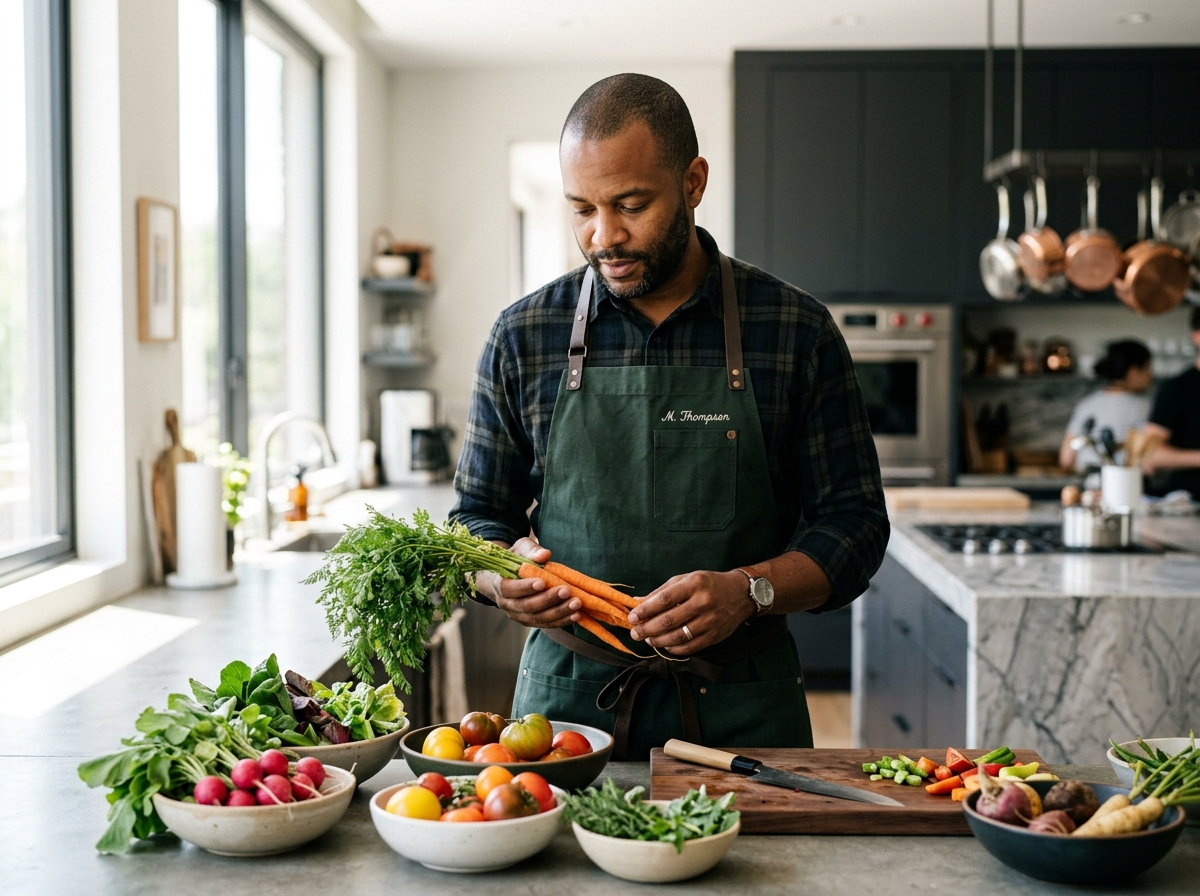
Hyper-local sourcing.
Each reservation pulls what that table needs from nearby markets and growers. The radius is the day’s shopping route, not a continental cold chain.
Hosts fund groceries at cost through the market budget. Chefs keep craft solvent through the labor fee. The purveyor is paid on the day goods move.

Logistics
Short-circuit supply chains.
Restaurant logistics often mean distant kitchens, deep storage, and markups before a plate is served. Cheffar removes those hops.
The path is host to chef to purveyor to home stove. Fewer handoffs mean less spoilage, less transport, and a clearer bill for the occasion.

Practice
Circular gastronomy.
Circular gastronomy here means buying only what the confirmed guest count needs, preparing it where it will be eaten, and leaving the house kitchen ready for the host again.
Regenerative hospitality is not a pledge badge. It is the operating loop of a reservation that keeps money and goods close to the table they serve.

Material impact
Direct from the earth, at cost.
Because our chefs shop directly from local farmers and purveyors for each specific occasion, food waste is systematically engineered out of the process. What enters your home is exactly what the menu requires.
No surplus warehouse inventory. No massive commercial refrigeration footprint for goods that never leave a hub. Labor fee pays the chef. Market budget pays the market.
On the network
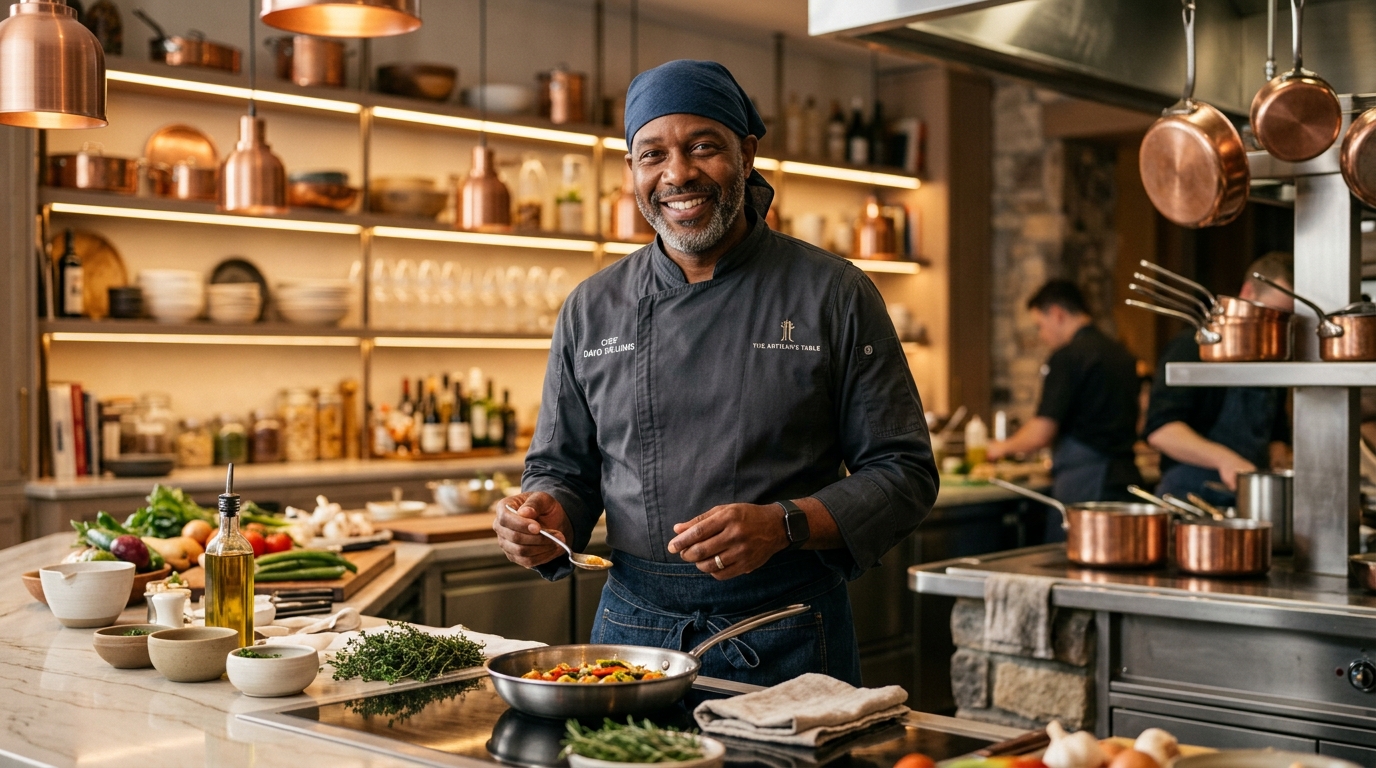
Meet the chefs who shop for the table.
Explore culinary talent whose practice already runs on hyper-local sourcing, or apply if that is how you work.